


Rotational molding is a versatile manufacturing process that produces durable, seamless plastic products, and its effectiveness depends heavily on the selection of suitable polymers. Inborn, an industry-leading rotational mold manufacturer, emphasizes the importance of polymer selection to optimize product quality, performance, and sustainability. The article explores how various polymers, including polyethylene, polypropylene, and advanced biopolymers, impact the mechanical strength, chemical resistance, UV stability, and design freedom of rotomolded products. It also highlights Inborn’s expertise in blending recycled polymers and deploying additives to meet specific application requirements, ranging from playground equipment to industrial tanks. As environmental and regulatory challenges mount, selecting the right polymer becomes a strategic decision, influencing not only product durability and cost-efficiency but also compliance and eco-friendliness. Inborn leverages advanced mold manufacturing technologies and a deep understanding of material science to offer tailored solutions. By prioritizing the synergy between rotational molding and polymer selection, Inborn helps clients achieve superior, sustainable outcomes for a wide range of applications.
Rotational molding is a transformative manufacturing process known for producing strong, seamless, and hollow plastic products. At Inborn, a leading Rotational Mold manufacturer, we recognize that the success of any rotomolded product is intimately tied to the type of polymer selected for the process. When customers approach us seeking bespoke solutions, we emphasize that material choice is as critical as mold design and manufacturing technique. In this article, we explore the profound ways polymer selection influences the advantages, capabilities, and sustainability of Rotational Molding, with a focus on delivering superior outcomes for our clients.
Rotational molding, or rotomolding, is a low-pressure, high-temperature process that creates hollow parts by heating plastic resin within a rotating mold. The technique is particularly advantageous for producing large, complex, and seamless items such as storage tanks, playground equipment, and automotive components. Inborn has invested in advanced molding technology, enabling us to deliver high-precision molds and cater to diverse industrial needs.
Unlike injection molding, which relies on high pressure to force melted plastic into a mold, rotomolding uses gravity and bi-axial rotation. This gentle handling of materials opens unique possibilities for working with various polymers, each offering distinct physical and chemical properties.
The choice of polymer directly affects the quality, performance, and cost-effectiveness of the final product. At Inborn, our engineering teams work closely with clients to match the polymer characteristics with the intended application, ensuring the best possible balance of toughness, flexibility, chemical resistance, and appearance. Factors such as processing temperature, viscosity, and shrinkage must also be carefully considered, as they influence mold design and processing parameters.
undefined
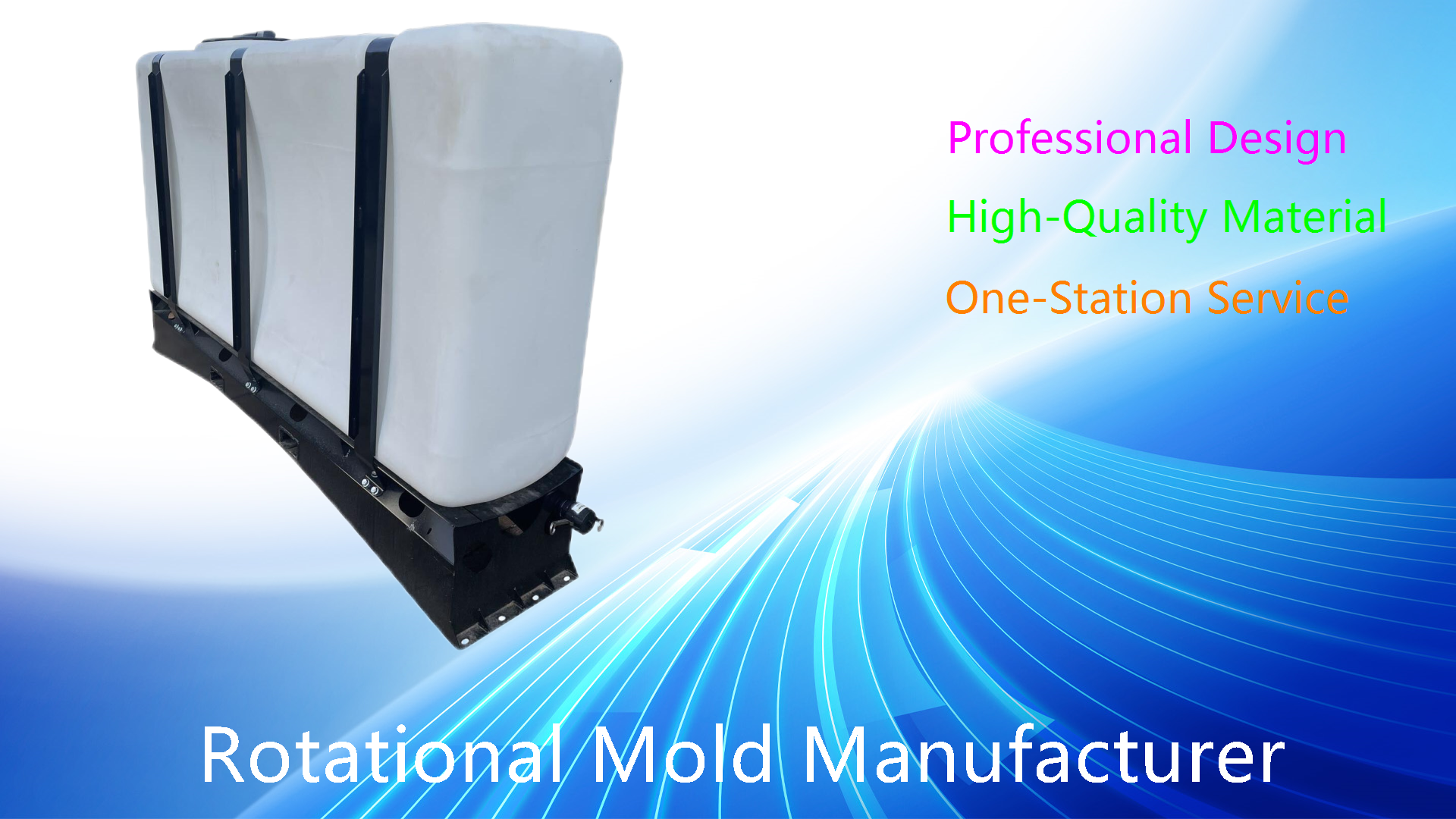
Mechanical Strength: The right polymer can enhance the structural integrity of large tanks or playground slides, resisting impact and deformation.
Chemical Resistance: For containers handling corrosive materials, polymer selection safeguards product longevity and safety.
UV Stability: Outdoor products demand polymers with built-in UV stabilizers to combat sun degradation.
Color and Finish: Some polymers accept pigments better, enabling vibrant and consistent coloration for branding and aesthetics.
Polyethylene (PE) is the workhorse of rotational molding, accounting for more than 80% of market demand. At Inborn, we regularly recommend linear low-density polyethylene (LLDPE) and high-density polyethylene (HDPE) for applications ranging from chemical tanks to traffic barriers.
| Polymer | Properties | Typical Applications |
|---|---|---|
| Linear Low-Density Polyethylene (LLDPE) | Impact resistant; flexible; good chemical resistance | Tanks, toys, marine buoys |
| High-Density Polyethylene (HDPE) | Stiff; excellent strength; chemical resistant | Chemical drums, fuel tanks |
| Cross-Linked Polyethylene (PEX) | Extreme toughness; heat and crack resistance | Large storage tanks, automotive components |
| Polypropylene (PP) | High melting point; fatigue resistant | Medical containers, industrial products |
| Polyvinyl Chloride (PVC) | Flame retardant options; weatherable | Outdoor furniture, cable covers |
Each polymer brings its own set of strengths and limitations. By collaborating with Inborn, clients can navigate the trade-offs and select materials that optimize performance and value.
Environmental consciousness is reshaping every aspect of plastics manufacturing. At Inborn, we are at the forefront of integrating recycled polymers and biopolymers into rotational molding projects. Biopolymers, derived from renewable sources like corn starch or sugarcane, are gaining traction for products that require compostability or lower carbon footprints. However, processing these materials demands expertise, as their thermal properties often differ from conventional plastics.
Recycled polyethylene resins are now widely available and can be used to create eco-friendly products without sacrificing durability. However, recycled content must be carefully controlled to ensure consistency in melt flow and mechanical properties. Inborn's proprietary blending and quality control systems guarantee uniformity in every batch, giving our customers confidence in sustainable manufacturing solutions.

Choosing the right polymer unlocks a host of benefits for manufacturers and end-users alike. These advantages extend to product performance, cost efficiency, and environmental stewardship.
Enhanced Durability: The correct polymer resists impacts and environmental stress, reducing the frequency of replacements and maintenance.
Design Freedom: Innovative polymers allow for the creation of unique shapes and features, empowering Inborn’s designers to turn complex visions into reality.
Cost Savings: The right material reduces cycle times, minimizes scrap, and often leads to lighter parts—saving on raw material and shipping costs.
Regulatory Compliance: Certain applications, such as food-grade containers and medical devices, require certified polymers. Inborn sources only top-quality, compliant materials for these critical projects.
For a recent playground equipment project, Inborn utilized UV-stabilized LLDPE to balance impact strength, vivid coloration, and weather resistance. This polymer selection resulted in vibrant slides and climbing structures that withstand years of outdoor exposure without fading or cracking. Our client benefited from lower lifecycle costs and enhanced safety for children. This example demonstrates how polymer expertise translates directly into superior products.
Polymer flow during the rotomolding process determines whether the final part has a uniform wall thickness and surface finish. Resins with the appropriate melt index optimize mold filling and release, ensuring that products separate cleanly without warping or surface defects. At Inborn, we test and validate each polymer's behavior during pilot runs, adjusting cycle parameters to achieve the best results.
Sometimes, polymer selection also involves choosing the right additives. For instance, anti-static agents are crucial for fuel tanks, while flame retardants are required for certain electrical housings. Inborn works with global suppliers to source and test advanced polymer formulations, delivering custom solutions for every sector.

The relationship between polymer and mold is symbiotic. Some high-performance polymers require molds made from specific metals, or with specialized venting and polishing. As an experienced rotational mold manufacturer, Inborn offers valuable guidance at the intersection of material science and mold engineering. We ensure each project’s success by harmonizing mold design with the unique behaviors of the selected polymer.
As a recognized rotational mold manufacturer, Inborn leverages deep industry knowledge to help customers maximize the benefits of polymer selection. This synergy is crucial in a competitive marketplace where tailored solutions, quality assurance, and cost control are paramount. Our holistic approach ensures that your product’s performance begins with the right polymer and is realized through state-of-the-art molding techniques.
Polymer selection is more than a technical step—it’s a strategic decision that shapes end-product success. By working with Inborn, customers gain a partner that guides them through every phase, from concept to finished part, with a focus on quality, innovation, and sustainability.
Rotational molding continues to evolve, and so does the science of polymer selection. Inborn stands at the intersection of tradition and innovation, offering clients access to the latest materials, testing, and manufacturing technologies. By prioritizing polymer selection in every project, we enable our clients to unlock new possibilities in product design, performance, and environmental responsibility.
If you are seeking a trusted rotational mold manufacturer who understands the nuances of material science and can deliver results tailored to your needs, Inborn is your ideal partner. Contact our team today to explore how we can help realize your vision with the perfect blend of rotational molding expertise and polymer selection excellence.
"The Role of Additives in Rotational Molding"
"Emerging Biopolymers for Sustainable Manufacturing"
"Comparing Rotomolding and Injection Molding for Industrial Applications"


