


Surgical training devices play a vital role in modern medical education, offering safe, hands-on practice for students and professionals. Inborn, a leading Rotational Mold manufacturer, has distinguished itself by using advanced rotational molding technology to produce highly realistic, durable, and customizable training tools. This article explores Inborn’s pioneering approach, emphasizing benefits such as consistent quality, cost-effectiveness, and adaptability. It covers the entire manufacturing process, the wide range of applications in surgical education, and future trends like smart materials and digital integration. Inborn’s commitment to innovation and collaboration with healthcare experts ensures their products meet the highest standards, making them a preferred partner for medical institutions worldwide. As medical training increasingly relies on simulation, Inborn’s rotationally molded devices are setting new benchmarks for realism, safety, and educational impact.
In recent years, the evolution of medical education has demanded innovative solutions for hands-on practice. Surgical training devices have become an integral part of this landscape, enabling medical students and professionals to hone their skills in a realistic, risk-free environment. Among the leading contributors in this sector is Inborn, a company renowned as a top-tier Rotational Mold manufacturer. By harnessing the power of rotational molding, Inborn has revolutionized the way surgical training tools are created, ensuring superior durability, realism, and cost-effectiveness.
This article explores how rotational molding, spearheaded by Inborn, is transforming surgical training devices. We delve into the pivotal role of advanced manufacturing techniques, such as rotational molding, and examine why Inborn stands out as a leader in this innovative field. Along the way, we spotlight the process, benefits, applications, and future prospects for medical simulation and training.
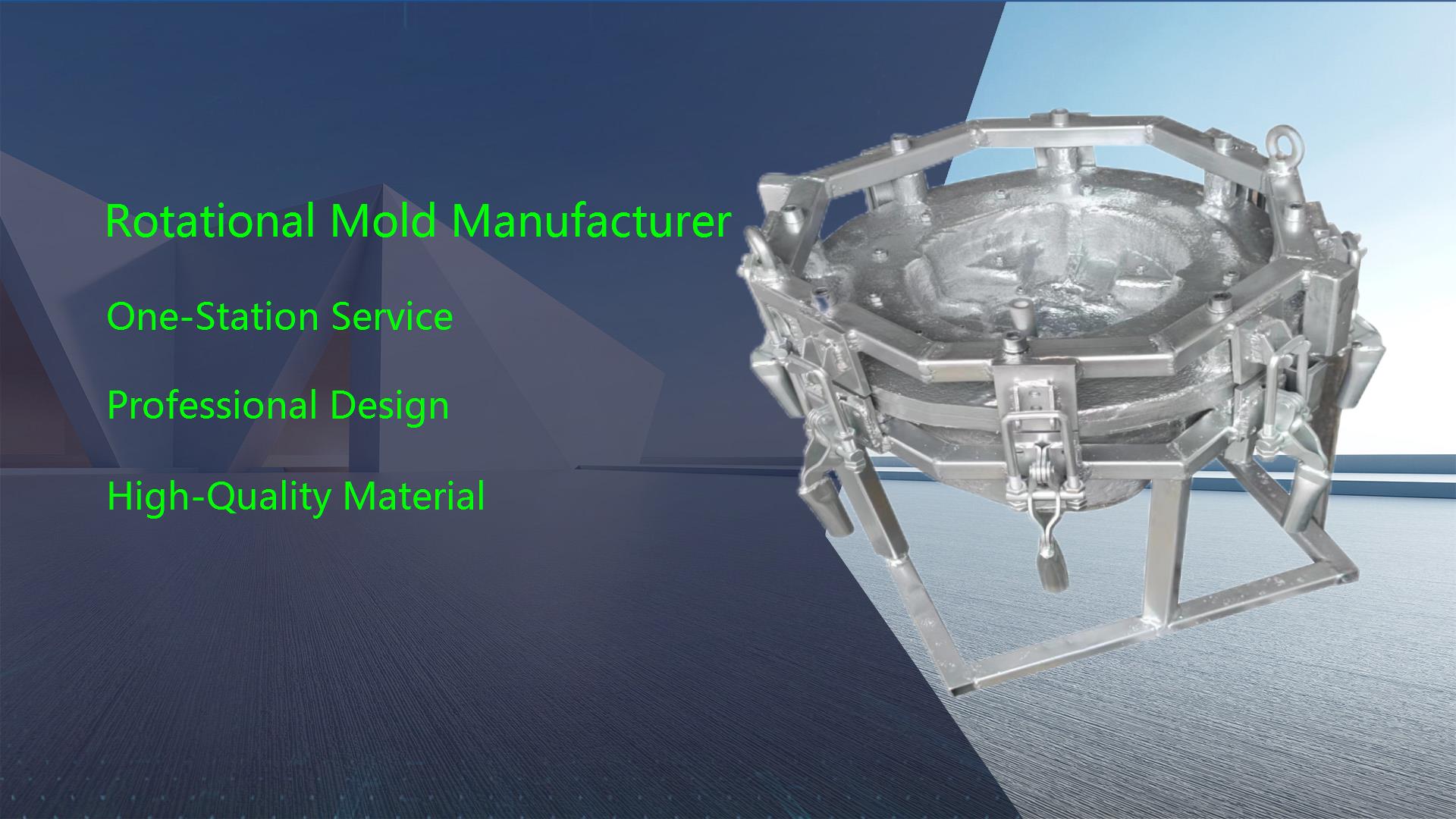
Rotational molding, also known as rotomolding, is a versatile plastic forming technique. It involves heating hollow molds filled with powdered polymer and rotating them biaxially. The result is a seamless, hollow object with uniform wall thickness and excellent durability. As a Rotational Mold manufacturer, Inborn leverages the advantages of this process to produce detailed, lifelike surgical training devices that faithfully replicate the tactile and visual qualities of human anatomy.
The rotational molding process offers significant benefits:
undefined
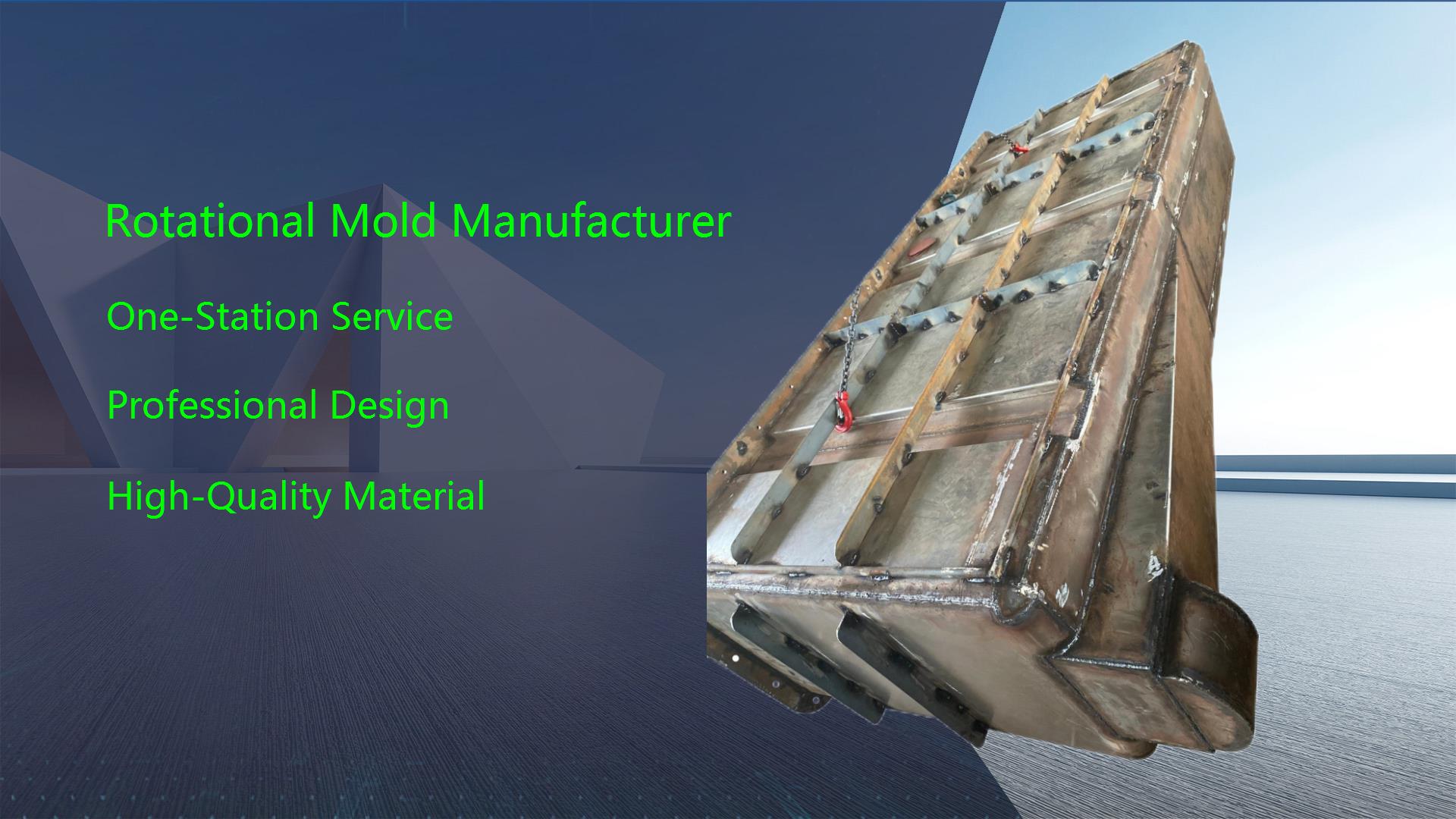
Consistent wall thickness for realistic touch and feel
Ability to produce complex, intricate shapes
Seamless construction minimizing weak points
Cost-effective for both low and high volume production
Material flexibility for simulating various tissue types
This innovative approach allows Inborn to produce devices that are not only robust and reusable but also customizable for specific surgical procedures and training goals.
Inborn has established itself as a leader in the production of surgical training devices using advanced rotational molding technology. The company places a strong emphasis on research and development, continuously refining its processes to deliver enhanced realism and performance in its products. Inborn’s manufacturing facilities are equipped with state-of-the-art machinery capable of supporting both standard and bespoke device production, meeting the diverse needs of medical institutions worldwide.
With its deep expertise as a rotational mold manufacturer, Inborn collaborates closely with medical professionals, educators, and simulation experts to ensure that each product meets stringent quality and educational standards. Their extensive product portfolio includes:
Anatomical models for surgical skills training
Procedure-specific simulators (laparoscopic, orthopedic, vascular, etc.)
Patient simulators for emergency and trauma response
Task trainers for suturing, injection, and catheterization
The end goal is to bridge the gap between theoretical knowledge and hands-on expertise, making Inborn a trusted partner in medical education and training.

Surgical training devices created by rotational molding offer several distinctive features that set them apart from traditional models. Some of these include:
Realistic Anatomy: Replicates human organ structures with high fidelity, supporting a wide range of clinical scenarios.
Durability and Reusability: Withstands repeated use, intensive handling, and cleaning, making them ideal for teaching institutions.
Customization: Able to incorporate varying tissue densities, textures, and colors to simulate diverse medical conditions.
Cost Efficiency: Lower production costs compared to other techniques, allowing affordable access to high-quality trainers.
Safety and Hygiene: Made from medical-grade, hypoallergenic materials that are easy to clean and maintain.
These features make rotationally molded devices the preferred choice for medical schools, hospitals, and simulation centers globally.
The journey of producing a surgical training device with Inborn begins with careful planning and collaboration with medical experts. Here’s an overview of the typical process:
Design & Prototyping: CAD models and prototypes are developed based on clinical input.
Mold Creation: Precision molds are fabricated to exact specifications using advanced techniques.
Material Selection: Medical-grade materials are chosen for lifelike properties.
Rotational Molding: The mold is loaded with polymer, then heated and rotated to form the hollow device.
Demolding & Finishing: The finished part is removed, trimmed, and undergoes quality inspections.
Assembly & Testing: Additional features, such as embedded vessels or sensors, may be added before final validation.
This meticulous process ensures that every device produced by Inborn meets the highest expectations in both form and function.
Surgical training devices manufactured through rotational molding have a broad spectrum of applications. They provide invaluable opportunities for medical students, residents, and practicing clinicians to develop and refine their skills in a safe, controlled setting. Common uses include:
Basic surgical technique practice (incision, suturing, dissection)
Advanced minimally invasive procedures (laparoscopy, endoscopy)
Emergency response drills (trauma, cardiac arrest, airway management)
Competency assessment and certification
Patient safety and error reduction programs
With the realistic feedback and anatomical accuracy provided by Inborn’s devices, users gain critical hands-on experience, improving their confidence and performance in real clinical situations.
Inborn remains at the forefront of technological innovation as a Rotational Mold manufacturer, driving advances that shape the future of surgical simulation. The integration of smart materials, embedded sensors, and digital connectivity is poised to enhance the teaching and assessment capabilities of training devices. Some anticipated trends include:
Augmented and virtual reality integration for immersive learning
Data-driven performance feedback with real-time analytics
Modular, upgradeable devices tailored to evolving curricula
Greater emphasis on sustainability via recyclable materials
As medical education continues to embrace simulation-based learning, Inborn’s expertise in rotational molding positions it as a strategic innovator, ready to respond to emerging needs and challenges.
| Feature | Rotational Molding | Injection Molding | 3D Printing |
|---|---|---|---|
| Wall Thickness | Uniform, seamless | Varies, may have seams | Layered, may be inconsistent |
| Complexity | High, for hollow shapes | High, for solid parts | Very high, for intricate designs |
| Cost Efficiency | Low/medium volumes | High volumes | Low volumes, prototyping |
| Realism for Training Devices | Excellent | Good | Good (depends on material) |
Choosing Inborn means partnering with a company dedicated to excellence, innovation, and customer satisfaction. Here are just a few reasons why Inborn is the preferred choice for medical institutions worldwide:
Proven track record in medical device manufacturing
Comprehensive support from concept to delivery
Ability to scale from prototypes to mass production
Customization options to meet unique training requirements
Commitment to quality, safety, and compliance
With a global client base and years of industry experience, Inborn continues to set new standards in surgical simulation and training.
Medical schools and hospitals that have adopted Inborn’s rotationally molded training devices consistently report high satisfaction and improved training outcomes. Students praise the anatomical detail and tactile realism, while instructors value the durability and versatility of the products. One notable case involved a teaching hospital that reduced its procedural complication rates by 30% after integrating Inborn’s realistic simulators into its curriculum.
Surgical training devices manufactured using rotational molding have redefined the possibilities for medical education. With its unwavering dedication to innovation and quality, Inborn stands at the forefront of this transformation as a trusted Rotational Mold manufacturer. Their advanced manufacturing capabilities ensure that every device is tailored to the evolving needs of medical professionals, providing the realism, reliability, and cost-effectiveness demanded by modern healthcare education.
As simulation-based training becomes ever more central to competency and patient safety, Inborn’s contribution to the field is set to grow. Through partnership with educators, clinicians, and technology leaders, Inborn continues to shape the future of surgical learning, one innovation at a time.


