


When it comes to manufacturing plastic products, choosing the right molding process is crucial. Two popular methods are injection molding and rotational molding, each with its distinct advantages and limitations. In this article, we will delve into the specifics of these processes, helping you decide which is better suited for your product needs. Our focus will include insights from Inborn, a leading rotational mold manufacturer, to give you a comprehensive understanding of these techniques.
Injection molding is a manufacturing process for producing parts by injecting molten material into a mold. It is commonly used for mass production of plastic products. The process involves melting plastic pellets and injecting them into a mold cavity, where they cool and solidify into the final product shape.
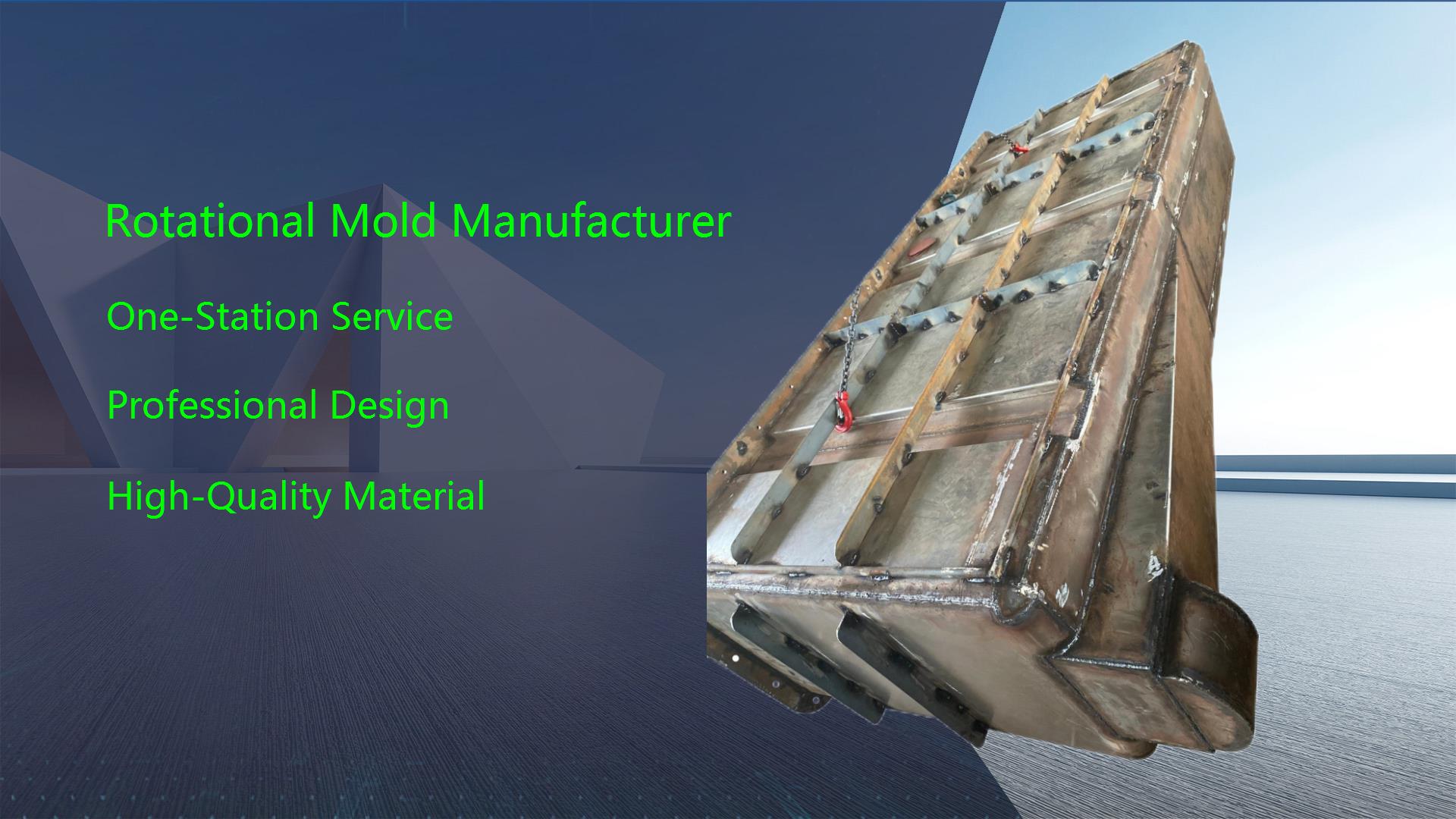
High Production Efficiency: Injection molding is highly efficient for mass production, allowing for the creation of a large number of parts in a short time frame.
Precision and Consistency: This method offers excellent precision, making it ideal for products requiring tight tolerances and consistent quality.
Material Variety: A wide variety of materials can be used, including thermoplastics, thermosets, and elastomers.
Complex Designs: Injection molding can accommodate complex geometries and intricate designs.
High Initial Costs: The initial setup cost for molds and machinery can be high, making it less suitable for small production runs.
Design Constraints: While capable of complex designs, certain shapes may require additional tooling or design modifications.
Material Waste: The process can generate waste, particularly during the initial setup and tuning phases.
Injection molding is ideal for high-volume production where precision and material variety are essential. However, the high initial costs can be prohibitive for smaller projects.
Rotational molding, or rotomolding, is a versatile manufacturing process used to create hollow plastic products. It involves placing powdered plastic into a mold, which is then heated and rotated along two axes. The plastic melts and coats the inside of the mold, forming a uniform wall thickness as it cools.
Cost-Effective for Small Runs: Rotational molding is more economical for smaller production runs due to lower mold costs.
Design Flexibility: This process allows for complex shapes and designs, including undercuts and intricate details, without the need for additional tooling.
Uniform Wall Thickness: Rotomolding ensures a uniform wall thickness, enhancing the durability and strength of the product.
Material Efficiency: Minimal material waste is generated, making it an environmentally friendly option.
Longer Cycle Times: The process has longer cycle times compared to injection molding, which can limit production speed.
Surface Finish: The surface finish may not be as smooth as that achieved with injection molding, potentially requiring additional finishing processes.
Material Limitations: While versatile, the range of materials suitable for rotomolding is narrower than that for injection molding.
Rotational molding is particularly advantageous for large, hollow, or complex shapes that require uniform wall thickness. Inborn, as a rotational mold manufacturer, emphasizes the cost-effectiveness and design flexibility that rotomolding offers, especially for customized and low-volume production.
When comparing injection molding and rotational molding, several factors come into play, including production volume, design complexity, cost, and material requirements. Each method has its strengths and weaknesses, making them suitable for different types of projects.
Injection molding is better suited for high-volume production due to its efficiency and speed. In contrast, rotational molding is more cost-effective for smaller production runs, where the high initial costs of injection molding cannot be justified.
Both processes can accommodate complex designs, but rotomolding offers more flexibility without the need for additional tooling. This makes it ideal for custom or intricate shapes that are challenging to achieve with injection molding.
The initial setup costs for injection molding are higher due to the need for specialized molds and machinery. Rotational molding, with its simpler mold requirements, offers a more economical solution for small to medium-sized production runs.
Injection molding supports a wider range of materials, providing more options for specific product requirements. However, it can generate more waste, especially during setup. Rotational molding, while limited in material choice, is more efficient in terms of material usage and waste reduction.
The choice between injection molding and rotational molding ultimately depends on your specific product needs, budget, and production volume. Injection molding is the preferred choice for high-volume production requiring precision and a wide range of materials. On the other hand, rotational molding, as championed by Inborn, is ideal for smaller runs, complex designs, and hollow products where cost-effectiveness and design flexibility are paramount.
By understanding the intricacies of each process, you can make an informed decision that aligns with your manufacturing goals, ensuring the success and quality of your product.
For more information on rotational molding and how it can benefit your product, consider reaching out to Inborn, a trusted name in the industry, known for its expertise and commitment to quality.


