


Rotational Molding has revolutionized canoe manufacturing by significantly enhancing durability, safety, and performance. Inborn, a leading Rotational Mold manufacturer, leverages seamless hull construction, advanced polymers, and precision engineering to deliver canoes that withstand impacts, abrasion, and environmental stress far better than those built with traditional methods. The seamless, uniform structure achieved through rotational molding ensures fewer weak points and greater longevity, while innovations such as UV-stabilized materials and multi-layer designs further improve durability. Inborn’s focus on quality, customization, and sustainability makes their canoes a preferred choice for both recreational users and commercial operators. Ultimately, rotomolded canoes represent a superior, long-term investment for anyone seeking reliable, high-performance watercraft.
Canoeing is synonymous with adventure, exploration, and a strong connection to water. Canoe enthusiasts, whether amateur or professional, universally demand one thing: durability. A canoe that withstands rough waters, impacts, abrasions, and environmental exposure is a prized asset. In recent years, Rotational Molding has emerged as a transformative manufacturing process, promising to redefine standards of canoe performance and longevity. Inborn, a leading Rotational Mold manufacturer, has been at the forefront of this revolution, leveraging innovation to deliver canoes that are not just functional, but also exceptionally durable.
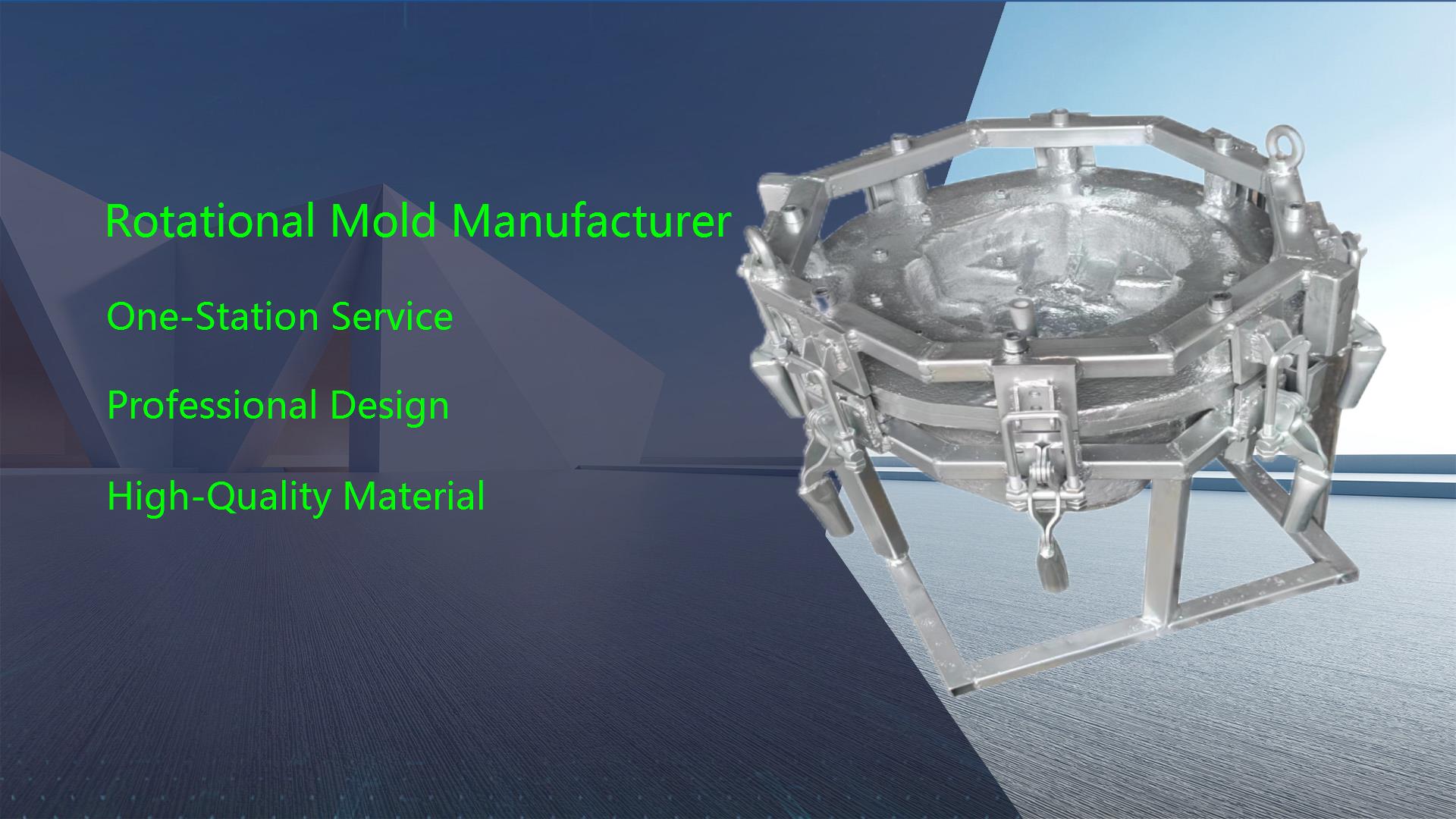
Rotational Molding, sometimes termed rotomolding, is a process where powdered or liquid resin is placed in a hollow mold, which is then heated and rotated biaxially. The resin melts, coating the interior surfaces of the mold, and after cooling, the resultant product is seamless and hollow. This method contrasts starkly with traditional fabrication techniques like blow molding, injection molding, or hand layup.
A canoe’s durability isn’t just about enduring knocks and scrapes. It impacts safety, maintenance, performance, and long-term ownership value. Watercraft are continually exposed to challenging environments—rocks, submerged debris, UV rays, fluctuating temperatures, and more. A compromised hull leads to costly repairs or even hazardous conditions on the water. Hence, choosing the right manufacturing process is paramount.
The seamless, one-piece hull construction is an inherent feature of rotationally molded canoes. Unlike canoes with bonded or welded seams, a seamless hull eliminates weak points susceptible to cracking or separation. Inborn’s advanced Rotational Mold designs further ensure uniform wall thickness, distributing stress evenly across the canoe body.
undefined

Durability is a direct function of wall thickness and material uniformity. Rotational Molding allows Inborn to fine-tune these parameters, concentrating material in high-stress areas while optimizing weight elsewhere. This precision control delivers superior impact resistance and structural strength with minimal material wastage.
Canoes must regularly endure impacts with rocks, branches, and docks. The robust polyethylene and other advanced polymers used in rotomolding excel at absorbing shocks without cracking. Furthermore, these materials exhibit impressive abrasion resistance, crucial for repeated launches and beaching.
Prolonged sun exposure can degrade lesser materials, leading to fading, brittleness, and reduced strength. Inborn’s canoes, manufactured with UV-stabilized resins, maintain their integrity and appearance over years of service. This environmental resilience is a direct benefit of both material selection and manufacturing expertise.
Inborn’s expertise as a Rotational Mold manufacturer is reflected in every canoe design. By leveraging cutting-edge mold technology, simulation tools, and rigorous quality controls, Inborn ensures that every canoe meets or surpasses the most demanding durability standards. The following aspects highlight Inborn’s unique contributions to canoe manufacturing:
| Feature | Rotational Molding | Blow Molding | Hand Layup |
|---|---|---|---|
| Seamless Construction | Yes | Yes | No |
| Wall Thickness Control | Excellent | Fair | Poor |
| Impact Resistance | High | Moderate | Low |
| Material Waste | Minimal | Moderate | High |
| Cost Efficiency | High (for mid-high volume) | Moderate | Low |
| Durability | Excellent | Good | Variable |
Modern canoe users seek features that cater to specific activities—fishing, touring, whitewater, or family recreation. Rotational Molding’s versatility lets Inborn develop canoes with integrated handles, custom seats, reinforced keels, and storage compartments—all without compromising structural integrity. This design flexibility is rarely possible with traditional manufacturing methods.
Durable canoes have a distinctly positive environmental and economic footprint. Fewer replacements and repairs mean less waste and lower lifecycle costs. Inborn’s efficient Rotational Mold processes also minimize scrap and energy consumption, further enhancing sustainability. For organizations focused on fleet management, such as rental companies or outdoor camps, the longer lifespan of rotomolded canoes translates directly to better ROI and reduced environmental impact.
As a Rotational Mold manufacturer, Inborn stays ahead by adopting innovations like multi-layer construction (e.g., foam-core for added buoyancy), recycled content integration, and advanced surface texturing for better grip and aesthetics. These trends not only heighten durability but also expand the functional appeal of rotomolded canoes.
Customer feedback and field performance data showcase the real-world benefits of Inborn’s Rotational Molding. For example, outdoor outfitters have reported significant reductions in hull repairs and downtime, even with heavy, daily use across rocky waterways. Adventure tour operators appreciate the ability to customize designs without sacrificing toughness. These testimonials underscore rotomolding’s transformative impact on canoe durability and user satisfaction.

Some skeptics argue that rotomolded canoes are heavier or less attractive than their composite counterparts. Inborn acknowledges that while high-end composites can be lighter, modern polymers and optimized designs have closed the gap significantly. Moreover, the enhanced durability and customization possible with rotational molding often outweigh the marginal weight penalty for most users. As for aesthetics, advances in surface finishing and color technology mean today’s canoes are both tough and visually appealing.
Inborn’s commitment to research and development ensures that customers benefit from the most robust, innovative products on the market. As Rotational Mold manufacturing evolves, expect even greater strides in material science, smart features (like integrated tracking devices or modular components), and eco-friendly practices. Inborn’s partnership approach—working with customers, suppliers, and researchers—is central to this progress.
The evidence is clear: Rotational Molding does enhance canoe durability. From superior impact resistance to seamless, customizable construction, this method offers substantial advantages over traditional canoe manufacturing processes. Inborn’s expertise as a Rotational Mold manufacturer ensures that every canoe is built to withstand the rigors of real-world use, delivering safety, reliability, and long-term value. For today’s canoeists, choosing a rotomolded canoe from Inborn isn’t just a smart buy—it’s an investment in years of worry-free adventure on the water.
To maximize canoe durability, partnering with a Rotational Mold manufacturer like Inborn is crucial. Their expertise ensures that advanced materials and optimized designs are applied to every canoe. In summary, investing in a rotomolded canoe is a wise choice for those who value performance, longevity, and sustainability in their watercraft.
Tags:Rotational Molded Products,Rotational Molding,Rotational Mould


